The 1st Workshop of the PLIGES Project Was Held
When teams from the Faculty of Mechanical Engineering and Naval Architecture and the Faculty of Mining, Geology and Petroleum Engineering of the University of Zagreb come together, the result can only be excellent. One of the last examples of such cooperation is the PLIGES project, which brought together those two higher education institutions with the company TT Inženjering from Zabok.
The goal of this project, with the full title 'Mapping of Shallow Geothermal Systems in the Republic of Croatia', is to create a database and GIS map of the implemented systems that use the heat of shallow geothermal sources, i.e. shallow layers of soil and groundwaters. It is energy from the immediate surroundings, which can then be used for heating, domestic hot water preparation and even cooling with the help of ground - water and water - water heat pumps. Until now, there was no such database and map, so when they are completed, it will significantly facilitate the design and implementation of such systems.
The project is financed by Iceland, Liechtenstein and Norway as part of the Financial Mechanism of the European Economic Area (EEA) 2014 - 2021 with national co-financing by Croatia as part of the implementation of the 'Energy and Climate Change' Programme. The total value of the project is EUR 197,950.75, and the grant funding rate is 100%. It started on 1 February 2023 and will last until 30 April 2024.
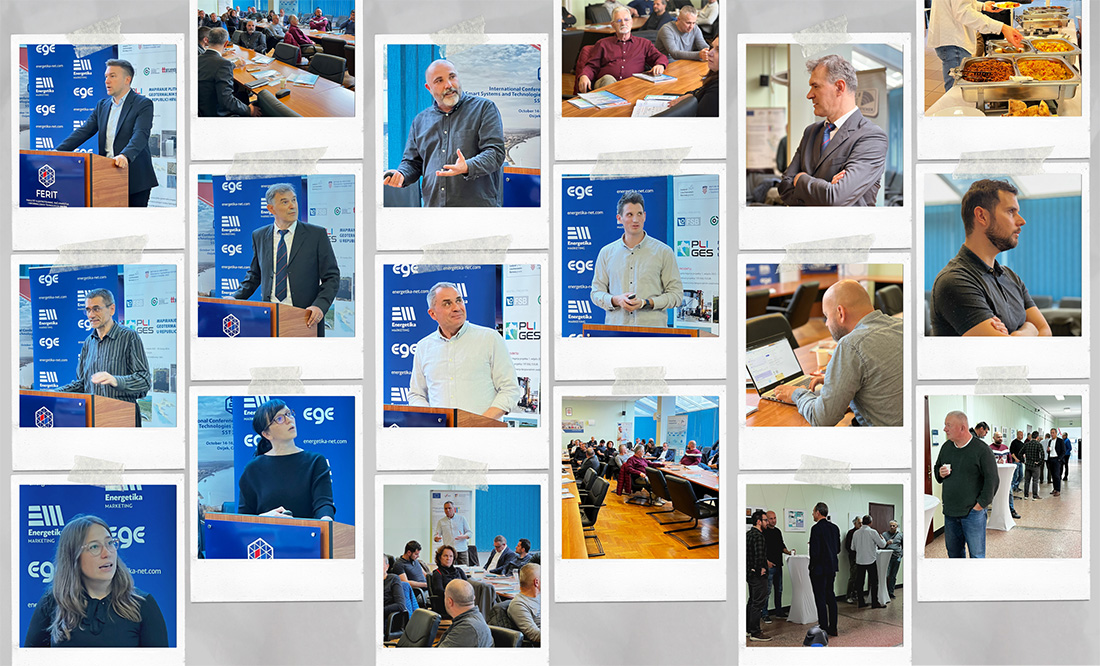
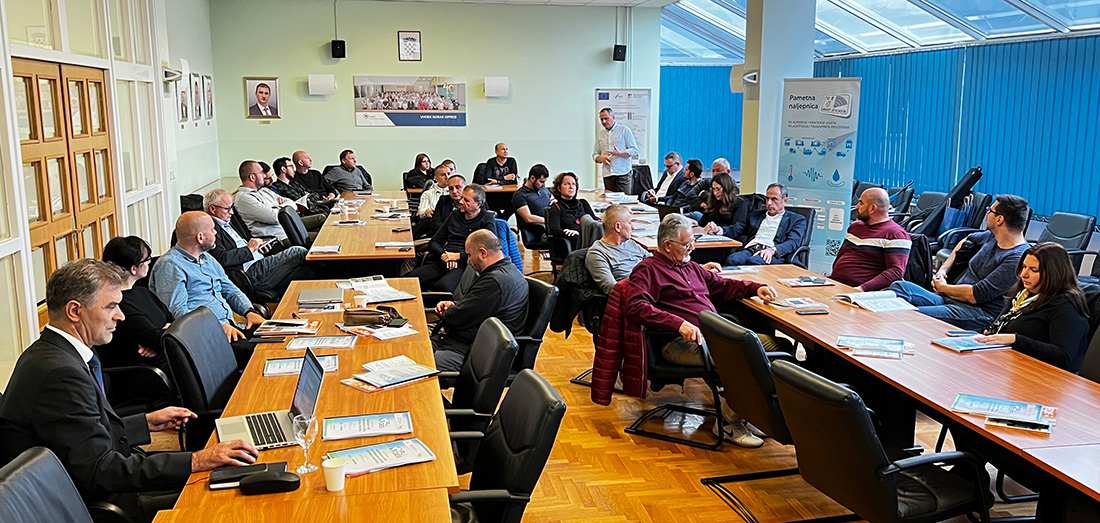
As part of the project, it is planned to hold several workshops where experts and the general public will learn about its goals, as well as everything that has been achieved up to that point. The first of them was held in the premises of the Faculty of Electrical Engineering, Computer Sciences and Information Technologies of the Josip Juraj Strossmayer University of Osijek. Neither the rain nor the colder weather, nor the end of the working week, had any effect on the attendance and vigilance of the workshop participants. With a good mood and quality presentations, a great discussion developed and everything points to a good project that will generate quality conclusions. We should definitely look forward to the continuation of the PLIGES story.